
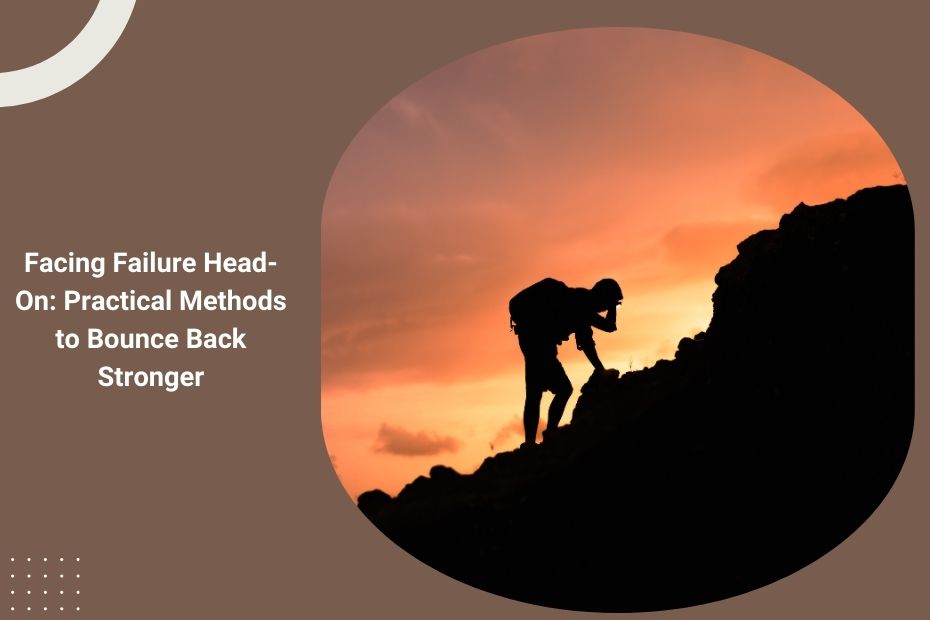
Failure is an unavoidable part of life, but it doesn’t have to define the future. I’ve seen people let setbacks consume them, believing they signal an end rather than a turning point. The truth is, how failure is handled determines what happens next. Every misstep, rejection, or mistake carries valuable lessons that can lead to growth. Instead of dwelling on what went wrong, the focus should be on what can be learned and how to move forward with greater clarity and strength. The key is not to fear failure but to develop the ability to recover quickly, adapt, and use the experience to improve. When failure is faced head-on, it transforms from an obstacle into a stepping stone toward success.
Acknowledge and Process Emotions
Denying emotions after a failure does more harm than good. It’s natural to feel disappointment, frustration, or even embarrassment, but suppressing those feelings only delays recovery. I always recommend allowing space to process emotions without judgment. This could mean taking a short break, writing in a journal, or discussing feelings with someone trustworthy.
Recognizing emotional responses also helps in identifying patterns. Some failures trigger excessive self-criticism, while others provoke a fear of taking risks again. Understanding these reactions makes it easier to manage them in the future. Facing emotions instead of avoiding them creates emotional resilience, which is essential for bouncing back stronger.
Avoid Negative Self-Talk and Self-Blame
Failure often leads to harsh self-judgment, with thoughts like “I’m not good enough” or “I’ll never succeed.” These kinds of statements reinforce a sense of defeat rather than helping to regain confidence. A mistake or setback should not become a personal identity. The key is to challenge negative thoughts and replace them with constructive ones.
Instead of saying, “I failed, so I must be bad at this,” a more productive mindset would be, “This attempt didn’t work, but I can adjust and improve next time.” Viewing failure as a single event rather than a reflection of ability allows for a more balanced and growth-oriented perspective.
Extract Lessons from the Experience
Every failure has something to teach. The most successful people aren’t those who never fail—they’re the ones who learn from mistakes and apply those lessons. Analyzing what went wrong helps in avoiding similar setbacks in the future. Was the plan unrealistic? Were there external factors beyond control? Were there warning signs that were ignored?
I encourage taking an objective approach by writing down what worked, what didn’t, and what could have been done differently. This exercise turns failure into valuable data rather than a personal defeat. Learning from failure isn’t about reliving mistakes—it’s about gathering insights to make better decisions moving forward.
Set Clear and Achievable Goals
After experiencing failure, setting new goals is a crucial step in moving forward. However, these goals should be realistic, specific, and manageable. Vague or overly ambitious targets often lead to frustration and another round of setbacks. I always recommend using the SMART goal framework—goals should be Specific, Measurable, Achievable, Relevant, and Time-bound.
For example, instead of saying, “I want to be successful in my career,” a clearer goal would be, “I will complete an industry certification within six months to improve my career prospects.” Breaking goals into smaller milestones creates a sense of progress and keeps motivation high.
Seek Constructive Feedback and Support
Many people retreat into isolation after failure, but this often worsens the situation. Seeking advice or feedback from a mentor, colleague, or trusted friend provides new perspectives and practical solutions. A fresh set of eyes can help pinpoint what went wrong and offer ideas for improvement.
It’s also important to build a support system. Whether through networking, mentorship, or professional guidance, surrounding oneself with encouraging and knowledgeable people makes it easier to recover and move forward. No one succeeds alone, and learning from others’ experiences can provide shortcuts to overcoming setbacks.
Develop a Resilient Mindset
Resilience is the ability to recover quickly from difficulties. It’s not something people are born with—it’s a skill that can be developed. The first step is to recognize that failure does not mean the end of the road. Instead of seeing it as permanent, treating it as a temporary obstacle makes it easier to push forward.
Resilient individuals adapt quickly, keep things in perspective, and maintain confidence even in the face of setbacks. Building this mindset requires reframing challenges as opportunities, staying flexible, and continuously improving. I always stress the importance of focusing on progress rather than perfection—every step forward, no matter how small, is still a step in the right direction.
Take Action and Keep Moving Forward
Failure only has power if it prevents further action. Dwelling on past mistakes wastes time and energy that could be spent making progress. Taking even small steps forward restores confidence and helps rebuild momentum. Whether it’s starting a new project, reattempting a challenge, or learning a new skill, forward movement is key.
Action is also the antidote to fear. Many people hesitate to try again after failure, worried about repeating mistakes. However, the longer action is delayed, the harder it becomes to regain confidence. The goal is to start moving—momentum builds naturally from there.
How to Recover from Failure Quickly
- Acknowledge Emotions – Allow time to process feelings.
- Avoid Negative Self-Talk – Challenge self-blame and reframe mistakes.
- Learn from Mistakes – Identify lessons and apply them.
- Set Clear Goals – Focus on small, achievable targets.
- Seek Support – Gain feedback from mentors or peers.
- Develop Resilience – Treat failure as a temporary obstacle.
- Take Action – Keep moving forward with new strategies.
In Conclusion
Failure isn’t a dead end—it’s a detour that leads to growth. Facing setbacks head-on, learning from mistakes, and taking deliberate steps forward create the foundation for long-term success. The most accomplished individuals aren’t those who avoid failure altogether but those who use it as fuel for improvement. By managing emotions, setting realistic goals, seeking support, and maintaining a resilient mindset, bouncing back becomes easier and setbacks become stepping stones rather than barriers. Failure doesn’t define the journey—what comes after does.
For more insights on resilience and overcoming setbacks, connect with me on Pinterest. Stay motivated, keep learning, and turn every challenge into an opportunity for growth!

Chrysilios Chrysiliou is a commercial real estate executive at RDPH Properties, Inc. with a diverse background in aviation and entrepreneurship. A former Greek Air Force Academy graduate, flight instructor, and flight school co-owner, he now leverages decades of strategic leadership to identify and develop high-value real estate opportunities.