
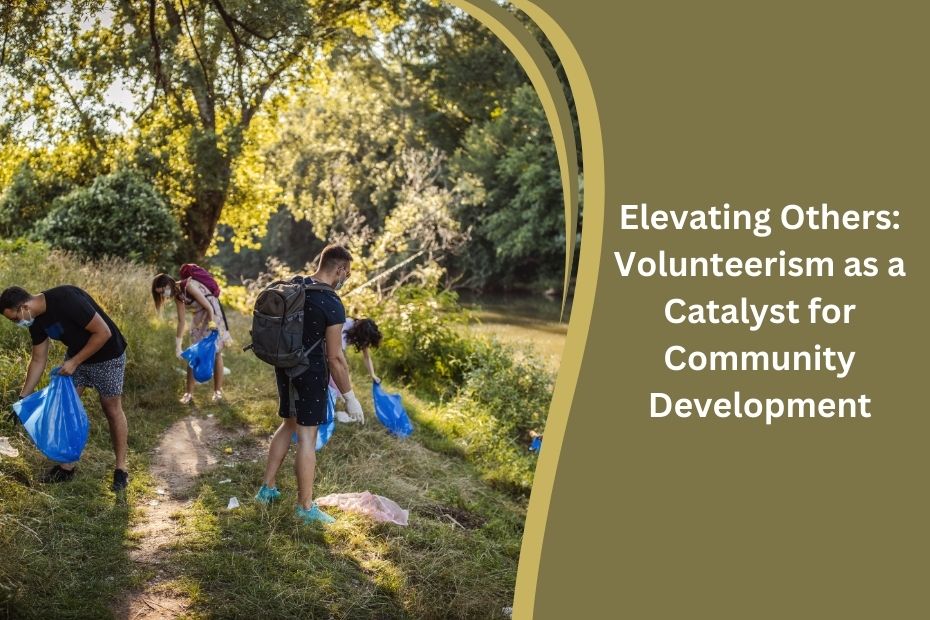
Over the years, I’ve seen firsthand how volunteerism transforms communities, not just through direct service but by creating a ripple effect of growth, engagement, and opportunity. When people come together to support a cause, whether it’s education, public health, or local development, the results go far beyond the immediate assistance provided. Volunteering strengthens social connections, nurtures personal and professional growth, and injects vitality into local economies. The impact isn’t limited to those receiving help—it extends to the volunteers themselves, businesses, and even entire neighborhoods. Understanding how volunteerism drives community development and finding ways to encourage sustainable involvement can create lasting change.
Filling Critical Gaps Where Resources Fall Short
One of the most immediate benefits of volunteerism is its ability to address unmet needs. I’ve worked with organizations that struggle with limited budgets, understaffing, and growing demand for services. Volunteers step in to bridge these gaps, ensuring that critical services remain accessible to those who need them most. Schools depend on volunteer tutors to help students struggling with coursework, food banks rely on community members to distribute meals, and local clinics often need extra hands for administrative work. Without these contributions, many essential services would be stretched too thin or, in some cases, completely unavailable.
Beyond direct service, volunteer efforts also create long-term change. Community-led initiatives often lead to policy improvements, increased funding, and stronger local networks. I’ve seen volunteer-driven projects gain traction, attracting financial support and expanding into sustainable programs that continue serving people for years. Whether it’s a grassroots literacy program that grows into a fully funded nonprofit or an environmental cleanup initiative that leads to better waste management policies, volunteer efforts often lay the groundwork for more significant change.
Strengthening Communities Through Connection
One of the most overlooked aspects of volunteering is the way it brings people together. In many communities, social isolation is a growing issue, and volunteering provides a meaningful way to build relationships. I’ve witnessed friendships form through shared efforts—whether it’s working side by side at a shelter, collaborating on a local fundraising event, or mentoring young professionals. These connections strengthen the fabric of a community, fostering trust and collaboration that extends beyond volunteer work.
When people invest time in their communities, they develop a deeper sense of belonging. That sense of ownership translates into civic engagement—volunteers are more likely to support local businesses, advocate for improvements, and participate in decision-making processes. It’s not just about giving time; it’s about building stronger, more connected communities where people actively contribute to their collective well-being.
The Role of Volunteerism in Career Growth
I often tell young professionals that volunteering is one of the best career-building tools available. Not only does it allow people to gain hands-on experience, but it also opens doors to valuable networking opportunities. Many of the most successful professionals I know have used volunteer work as a stepping stone—whether to learn new skills, transition into a different industry, or meet mentors who helped shape their careers.
I’ve worked with individuals who discovered their passion for teaching through tutoring programs, developed leadership skills by organizing community initiatives, or gained project management experience through nonprofit work. Employers value these experiences because they demonstrate initiative, adaptability, and a commitment to making an impact. Even for established professionals, volunteering provides an opportunity to refine leadership abilities, mentor others, and stay engaged with meaningful causes.
Volunteerism and Personal Well-Being
Beyond the professional advantages, volunteering has significant personal benefits. The connection between volunteer work and well-being is something I’ve observed repeatedly—people who give their time to meaningful causes often report lower stress levels, greater life satisfaction, and a stronger sense of purpose. Research supports this, showing that volunteering is linked to reduced rates of depression and anxiety, as well as improved physical health.
The act of helping others provides a sense of fulfillment that few other activities can match. Whether it’s seeing the direct impact of your work, forming meaningful connections, or simply knowing that you’ve contributed to something larger than yourself, volunteerism offers a deep sense of satisfaction. It’s a reminder that success isn’t just about individual achievement—it’s also about lifting others up and contributing to a greater good.
Creating a Culture of Volunteerism
One of the most rewarding aspects of volunteerism is seeing how it inspires others to get involved. I’ve seen entire families make volunteer work a tradition, workplaces develop employee-driven service programs, and schools encourage students to take on leadership roles in their communities. Once volunteerism becomes ingrained in a community’s culture, it has a lasting effect.
A single act of service can lead to long-term change. When businesses encourage their employees to volunteer, they contribute to stronger local economies and improved workplace morale. When schools integrate service learning into their curriculum, they produce graduates who are more engaged citizens. When community leaders prioritize volunteer efforts, they create environments where people feel empowered to make a difference. These efforts don’t just benefit individuals—they create stronger, more resilient communities.
The Economic Impact of Volunteer Efforts
It’s easy to think of volunteerism as purely a social good, but its economic impact is undeniable. Every hour contributed by a volunteer translates into real financial value, whether through labor provided to nonprofits, cost savings for community programs, or increased economic activity generated by service-driven initiatives. Studies estimate that volunteer work in the U.S. alone is worth billions of dollars annually. That’s money that organizations can reinvest into expanding services, reaching more people, and strengthening infrastructure.
On a smaller scale, volunteer-driven fundraising events provide much-needed financial support for local projects. I’ve seen communities organize charity runs, benefit concerts, and service auctions that raise thousands of dollars for education, healthcare, and disaster relief. These efforts don’t just generate funds—they bring people together and increase awareness about important issues.
Making Volunteerism More Sustainable
One of the biggest challenges I’ve encountered in volunteer work is maintaining engagement. Many people want to contribute but struggle to find the time, while organizations often face difficulties retaining long-term volunteers. The key to sustaining volunteer efforts lies in making them accessible, rewarding, and well-structured.
People are more likely to stay involved when they feel valued. Recognizing contributions, whether through appreciation events, public acknowledgment, or simple thank-yous, goes a long way in keeping volunteers motivated. Offering flexible opportunities—such as short-term projects, virtual volunteering, or skills-based roles—also makes it easier for people to fit service into their busy lives. Strong leadership and clear communication within volunteer programs ensure that efforts are well-organized and impactful.
Key Benefits of Volunteerism in Community Development
- Fills Critical Gaps – Volunteers provide essential services where resources are limited.
- Strengthens Communities – Builds social connections and fosters collaboration.
- Boosts Career Growth – Develops leadership, networking, and professional skills.
- Improves Well-Being – Reduces stress and increases life satisfaction.
- Creates Lasting Impact – Encourages long-term community engagement and economic contributions.
In Conclusion
Volunteerism isn’t just about giving time—it’s about creating lasting change. Whether through direct service, mentoring, or organizing community initiatives, every effort adds up. The impact goes beyond the immediate benefits, influencing the long-term health, stability, and growth of communities. Those who engage in volunteer work don’t just elevate others—they elevate themselves in the process. Making volunteerism a consistent part of life ensures that its benefits continue to grow, strengthening communities for generations to come.

Chrysilios Chrysiliou is a commercial real estate executive at RDPH Properties, Inc. with a diverse background in aviation and entrepreneurship. A former Greek Air Force Academy graduate, flight instructor, and flight school co-owner, he now leverages decades of strategic leadership to identify and develop high-value real estate opportunities.