
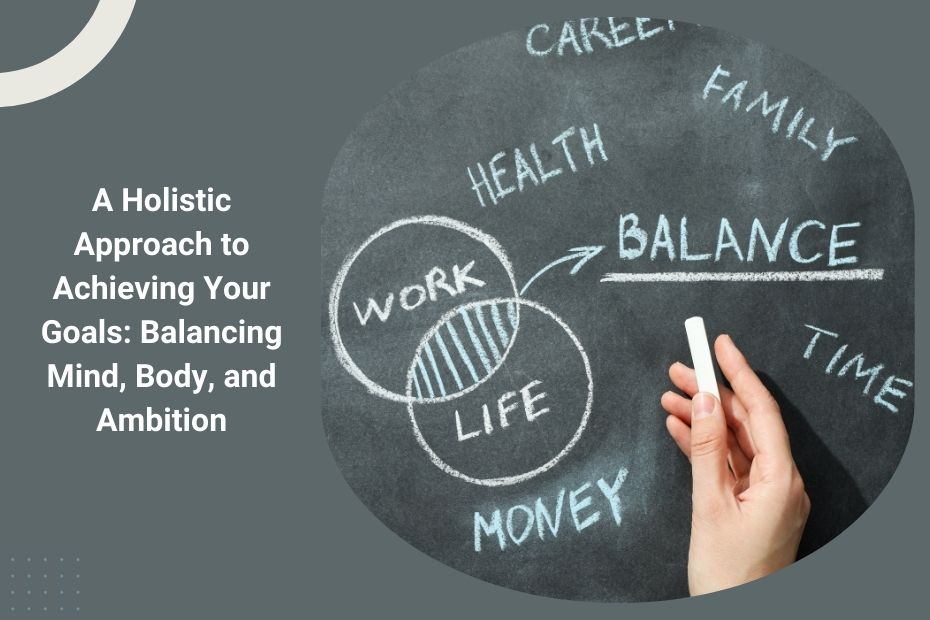
Success isn’t just about working hard—it’s about working smart while maintaining balance. I’ve seen many people chase professional and personal goals at full speed, only to burn out before reaching the finish line. The key isn’t to push harder but to ensure that mental clarity, physical health, and ambition align. Without this balance, achieving long-term goals becomes a struggle, and sustainability fades. By approaching goal-setting holistically—giving equal weight to mental resilience, physical well-being, and professional aspirations—it’s possible to achieve meaningful success without compromising health and happiness.
Why Mental Strength is the Foundation of Success
Ambition alone isn’t enough. A strong mind determines whether goals will be met or abandoned halfway. Too often, I’ve observed high achievers neglect their mental well-being in pursuit of success, leading to stress, self-doubt, and burnout. Clarity of thought, emotional stability, and resilience all come from maintaining mental health.
One of the best ways to strengthen the mind is by practicing mindfulness. Staying present rather than dwelling on past failures or worrying about the future creates sharper focus and better decision-making. Meditation, journaling, and deep breathing exercises help manage stress and clear mental clutter. Another essential component is self-awareness—understanding personal motivations, recognizing unhelpful thought patterns, and consciously replacing them with productive ones. A well-conditioned mind can handle setbacks without losing momentum.
The Role of Physical Health in Goal Achievement
A neglected body limits ambition. No matter how disciplined someone is in their career, poor physical health drains energy, lowers concentration, and ultimately slows progress. Proper nutrition, consistent movement, and adequate rest are non-negotiable for sustaining long-term success.
Exercise isn’t just about looking fit—it’s about fueling productivity. Regular physical activity sharpens focus, improves mood, and increases stamina. A simple daily routine of movement—whether walking, weight training, or yoga—enhances cognitive function, making it easier to stay motivated and push through obstacles. Nutrition plays an equally important role. Consuming nutrient-dense foods keeps energy levels stable, while hydration supports brain function and overall performance. Sleep, often sacrificed in the pursuit of productivity, is essential for memory, problem-solving, and stress management. Without proper rest, decision-making suffers, and burnout follows.
Aligning Ambition with Core Values
Chasing goals that don’t align with personal values leads to dissatisfaction, even if those goals are achieved. I’ve met professionals who reached high-paying positions only to realize they weren’t fulfilled because their work lacked purpose. Ambition should be intentional, driven by more than external rewards.
Defining success on an individual level ensures that efforts are directed toward goals that truly matter. This process involves questioning why specific goals are set in the first place. Is the goal driven by personal passion, or is it shaped by societal expectations? When ambition aligns with values, motivation becomes stronger, and challenges become easier to navigate. Making time for periodic self-reflection prevents wasted effort on pursuits that don’t contribute to genuine fulfillment.
The Importance of Emotional Intelligence in Achieving Goals
Success isn’t just about personal ambition—it’s also about how well relationships are managed. Strong emotional intelligence (EQ) determines whether opportunities open up or remain out of reach. People with high EQ navigate setbacks more effectively, handle criticism without becoming defensive, and build stronger professional and personal relationships.
Developing EQ involves mastering self-awareness, self-regulation, motivation, empathy, and social skills. Understanding personal triggers and learning how to manage emotional responses makes interactions more constructive. Equally important is the ability to read others—being attuned to their needs, emotions, and perspectives fosters stronger connections and better collaboration. Success rarely happens in isolation, and those who cultivate emotional intelligence often find themselves with greater opportunities and stronger support systems.
The Role of Social Connections in Sustaining Success
No one achieves success alone. The most accomplished individuals are often surrounded by a network of people who provide guidance, encouragement, and new opportunities. Having mentors, colleagues, and friends who challenge and support growth makes the journey smoother and more rewarding.
Building and maintaining these relationships requires effort. Engaging with like-minded individuals, seeking mentorship, and being open to collaboration all contribute to a strong professional and personal network. Giving as much as receiving is key—offering help, sharing knowledge, and celebrating others’ successes fosters deeper, more meaningful connections. When setbacks occur, a strong network provides reassurance and alternative paths forward.
Continuous Learning and Adaptability
Rigid goal-setting often leads to frustration. Industries change, new opportunities arise, and unforeseen obstacles appear. Staying adaptable ensures that progress continues even when plans need adjustment. Lifelong learning is one of the most powerful ways to stay ahead, providing new skills, knowledge, and ways of thinking that support evolving goals.
This doesn’t mean formal education alone—reading, listening to industry leaders, engaging in discussions, and stepping outside of comfort zones all contribute to growth. The willingness to pivot when necessary prevents stagnation and keeps goals aligned with both personal development and external changes. Those who continuously seek knowledge remain relevant, adaptable, and prepared for new challenges.
Key Principles for Balancing Mind, Body, and Ambition
- Strengthen Mental Resilience – Use mindfulness and self-awareness to stay focused.
- Prioritize Physical Health – Exercise, eat well, and get enough rest.
- Align Goals with Values – Pursue ambitions that bring genuine fulfillment.
- Develop Emotional Intelligence – Build strong relationships and communication skills.
- Stay Adaptable – Keep learning and adjusting to new opportunities.
In Conclusion
Sustainable success isn’t just about pushing forward—it’s about maintaining balance. Prioritizing mental and physical health alongside ambition creates a foundation for achievements that last. Those who integrate these principles into their daily lives not only reach their goals but do so in a way that enhances overall well-being and long-term fulfillment.

Chrysilios Chrysiliou is a commercial real estate executive at RDPH Properties, Inc. with a diverse background in aviation and entrepreneurship. A former Greek Air Force Academy graduate, flight instructor, and flight school co-owner, he now leverages decades of strategic leadership to identify and develop high-value real estate opportunities.