
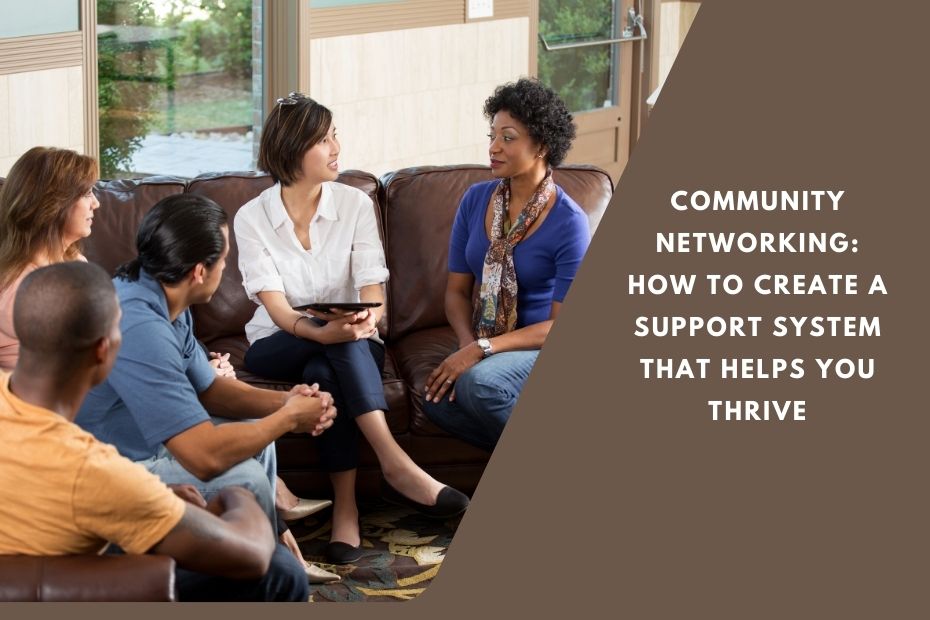
No one succeeds alone. The strength of personal and professional networks determines how well challenges are faced, opportunities are seized, and goals are achieved. A solid support system isn’t just about having people around—it’s about building meaningful connections that offer guidance, encouragement, and collaboration. Creating a thriving network requires intentionality, reciprocity, and consistency. Whether seeking career advancement, emotional support, or shared interests, a well-established community provides resources, knowledge, and inspiration. Networking isn’t just about gaining—it’s about giving as well. The strongest connections form when genuine relationships are prioritized over surface-level interactions.
Identify What You Need from a Support System
Before reaching out, it’s essential to clarify what kind of support is needed. A professional aiming for career growth requires a different network than someone looking for personal encouragement. Defining these needs ensures that time and energy are directed toward the right relationships.
For professional growth, a support system may include mentors, industry peers, or business groups. Those seeking personal connections may benefit from community groups, local meetups, or volunteer organizations. The best networks are diverse, offering a mix of perspectives and resources. Taking time to reflect on specific goals—whether career guidance, emotional support, or skill-building—helps in creating a system that is both effective and fulfilling.
Strengthen Existing Relationships
Many people overlook the support that already exists. Instead of constantly seeking new connections, reinforcing current relationships can be just as valuable. Checking in with old friends, colleagues, or mentors often leads to unexpected opportunities and deeper bonds.
A support system isn’t about the quantity of connections but the quality of engagement. Trust and reliability grow when relationships are nurtured consistently. Offering help, showing appreciation, and keeping communication open strengthens these connections. The more value is brought to relationships, the more rewarding they become.
Engage in Community Activities and Local Networks
One of the best ways to expand a support system is through community involvement. Joining local organizations, hobby groups, or volunteer projects provides opportunities to meet like-minded individuals who share similar values and interests.
Attending neighborhood events, business networking meetups, or civic engagement projects fosters authentic connections with people who care about the same causes. Community networks often offer a stronger sense of belonging than professional associations because they are built on shared experiences rather than just mutual goals.
For those looking for career-related networks, industry-specific organizations, entrepreneurship groups, or local business chambers provide valuable resources and mentorship. The key is active participation—showing up, contributing, and staying engaged.
Leverage Digital Platforms for Broader Networking
Online networking is a powerful tool when used correctly. Social media groups, professional forums, and online communities provide access to experts, mentors, and peers who may not be available locally. Platforms like LinkedIn, industry-specific Slack channels, and professional Facebook groups create opportunities for global connections.
However, digital networking is most effective when genuine engagement is prioritized over passive participation. Simply liking or commenting on posts isn’t enough—starting conversations, sharing insights, and offering help to others makes a real difference. The strongest online connections form when contributions feel valuable and authentic.
Join Professional Organizations and Industry Groups
For those looking to grow in their field, joining industry groups and professional associations offers access to mentorship, training, and exclusive opportunities. Many of these organizations host seminars, conferences, and networking events where valuable relationships form.
Engaging in panel discussions, online workshops, and industry mentorship programs helps in making connections and enhances credibility and visibility. Some of the most valuable professional relationships come from shared learning experiences.
Seeking out mastermind groups, business incubators, or mentorship programs accelerates growth by providing structured support. In professional settings, relationships thrive when value is exchanged—sharing knowledge, collaborating on projects, and introducing peers to new opportunities strengthens these networks.
Practice Reciprocity: Give as Much as You Receive
A thriving support system isn’t built on taking—it’s built on mutual benefit. Offering help, making introductions, and sharing knowledge without expecting immediate returns strengthens relationships. The best networkers understand that giving value builds long-term trust.
Small gestures—such as mentoring someone, recommending a connection for an opportunity, or simply listening when someone needs support—go a long way. People remember who helped them, and generosity creates a network that is stronger, more reliable, and more rewarding.
Strong connections are formed when people feel valued and appreciated. Whether it’s professional advice, encouragement, or a simple check-in, supporting others strengthens the entire community.
Maintain Consistent Communication
Building a network is one thing—maintaining it is another. Many people make the mistake of only reaching out when they need something, which weakens relationships over time. Regular, meaningful check-ins keep connections alive.
Sending a quick message, sharing an interesting article, or meeting up for a casual conversation keeps relationships strong and natural. Even digital relationships require interaction beyond likes and comments—a short personalized message goes a long way.
People are more likely to offer support when they feel the relationship is ongoing, not transactional. A strong network is built on continuous engagement, not one-time exchanges.
How to Build a Strong Support System
- Identify support needs – Define what kind of help is most valuable.
- Strengthen relationships – Reinforce connections with trusted people.
- Engage in communities – Join local events and groups.
- Leverage online platforms – Expand your network digitally.
- Give and receive support – Offer help to strengthen connections.
In Conclusion
A strong support system doesn’t happen by accident—it’s built through intentional connections, mutual support, and consistent engagement. Thriving in both personal and professional life requires reaching out, giving back, and maintaining genuine relationships. Whether through community involvement, digital networking, or industry associations, the strength of a network determines how well challenges are navigated and opportunities are seized. The more effort put into building and nurturing these relationships, the more rewarding and supportive they become.
For more insights on building meaningful connections and thriving networks, subscribe to my YouTube channel. Let’s grow and succeed together!

Chrysilios Chrysiliou is a commercial real estate executive at RDPH Properties, Inc. with a diverse background in aviation and entrepreneurship. A former Greek Air Force Academy graduate, flight instructor, and flight school co-owner, he now leverages decades of strategic leadership to identify and develop high-value real estate opportunities.