
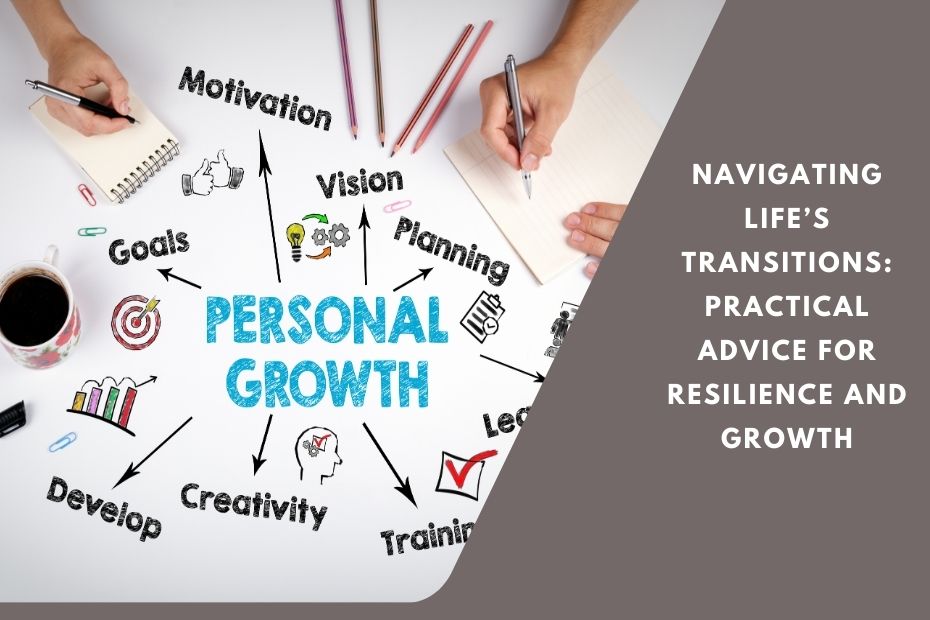
Life is a series of transitions, some planned and some unexpected. Whether it’s a career change, moving to a new city, entering a different stage of life, or facing unforeseen personal challenges, adapting to change requires resilience and a clear mindset. Many people struggle with uncertainty, feeling overwhelmed by what lies ahead, but transitions don’t have to be a source of stress. With the right approach, they can be opportunities for personal and professional growth. The key is learning how to navigate change with a strategy that balances practical actions and emotional stability. Let’s explore some of the most effective ways to manage life’s transitions while building resilience.
Accepting Change and Moving Forward
One of the biggest hurdles in dealing with transitions is resistance. Many people instinctively fight change, holding onto what feels familiar. This resistance can make the transition more difficult than it needs to be. The first step is acknowledging that change is happening and understanding that it’s a natural part of life. Ignoring it doesn’t stop the shift—it only delays adaptation.
Acceptance doesn’t mean passivity; it means recognizing what’s within control and letting go of what isn’t. Focusing on the next steps rather than dwelling on what’s being left behind allows for a smoother shift. This is particularly useful during career changes or relocations, where energy is better spent preparing for the new environment instead of fixating on what was lost.
Focusing on What Can Be Controlled
Not everything in life is within personal control, but that doesn’t mean there’s no power in the situation. One of the best ways to reduce anxiety during a transition is by identifying what can be influenced and acting on it. This could mean developing new skills, networking with people in a new field, or creating a plan for the next phase of life.
Shifting focus from uncertainty to actionable steps creates momentum. When a change feels overwhelming, breaking it down into small, manageable tasks prevents paralysis. A job loss, for example, becomes easier to handle when the focus shifts to updating a resume, reaching out to contacts, or exploring new career paths. Making progress, even in small ways, restores confidence.
The Power of Routine During Change
Transitions can disrupt daily life, making it harder to stay grounded. Maintaining a routine—even a simple one—provides a sense of stability. Keeping up with regular habits like exercise, healthy meals, and set wake-up times can create normalcy in the middle of uncertainty.
During major life shifts, many people abandon self-care, thinking they’ll return to it once things settle. This often makes adaptation harder. Having a structure in place, even if it’s as basic as a morning coffee ritual or a short daily walk, offers reassurance when everything else feels unfamiliar. Small routines act as anchors, helping to create a sense of control.
Building Resilience Through Mindfulness
One of the most effective ways to navigate uncertainty is by staying present. Many people spend time either worrying about the future or regretting the past, which only increases stress. Practicing mindfulness—whether through meditation, deep breathing, or simply focusing on the task at hand—helps keep the mind from spiraling into negative thoughts.
Mindfulness isn’t about ignoring emotions; it’s about acknowledging them without letting them dictate reactions. Instead of getting caught up in frustration or fear, stepping back and observing thoughts without judgment can make a difference. This clarity allows for better decision-making and emotional regulation, making it easier to adapt to new circumstances.
Setting Realistic Goals for a Smooth Transition
Every transition is easier when there’s a clear goal. A major mistake people make during life changes is failing to define what success looks like in the new phase. Without direction, it’s easy to feel lost or uncertain about whether progress is being made.
Setting specific and achievable goals provides motivation. These don’t have to be long-term objectives—sometimes, short-term wins are just as valuable. If moving to a new city, for example, setting a goal of meeting one new person a week can ease the adjustment. If shifting careers, identifying three companies to research and reach out to within a month creates momentum.
Seeking Support and Staying Connected
Major life changes often bring a sense of isolation. Losing a familiar environment, whether it’s a workplace, home, or routine, can leave a person feeling disconnected. This is why maintaining a strong support system is critical during transitions.
Reaching out to friends, family, or mentors provides emotional support and valuable guidance. Many people hesitate to ask for help, fearing they’ll be a burden. However, those who have navigated similar changes can often offer useful advice. Staying engaged with a support network prevents feelings of isolation and reinforces the idea that challenges are temporary.
Being Flexible and Open to Change
Sticking rigidly to a specific plan during a transition can create frustration when things don’t go as expected. Flexibility is a skill that makes adapting to change much easier. Instead of seeing obstacles as roadblocks, treating them as adjustments to the journey keeps things in perspective.
Adapting doesn’t mean abandoning original goals—it means being open to different paths. A setback in one area can lead to an unexpected opportunity in another. Many people discover new passions, careers, or relationships because they were willing to adjust their approach instead of resisting change.
Reflecting on Lessons Learned
Every transition, whether successful or difficult, comes with lessons. Taking time to reflect on what worked and what didn’t creates growth. Many people look back on challenging periods and realize they developed strength, skills, or insights they wouldn’t have gained otherwise.
Journaling, talking with mentors, or simply taking quiet moments to think about the experience helps put things into perspective. Transitions, no matter how difficult, often lead to unexpected positives. A career shift might bring a more fulfilling job. A personal change might lead to stronger relationships. Seeing change as an opportunity instead of an obstacle reshapes the way it’s experienced.
Practical Strategies for Navigating Life’s Transitions
- Accept Change – Acknowledge transitions instead of resisting them.
- Focus on Control – Take actionable steps rather than worrying about uncertainties.
- Maintain Routine – Simple habits provide stability.
- Use Mindfulness – Staying present reduces stress.
- Stay Connected – A strong support system eases transitions.
In Conclusion
Navigating life’s transitions successfully isn’t about avoiding change—it’s about learning to manage it effectively. Every shift brings new challenges, but it also brings new opportunities. By focusing on what can be controlled, maintaining strong connections, and staying adaptable, change can become a catalyst for personal and professional growth. With the right mindset, transitions don’t have to be obstacles; they can be the beginning of something better.

Chrysilios Chrysiliou is a commercial real estate executive at RDPH Properties, Inc. with a diverse background in aviation and entrepreneurship. A former Greek Air Force Academy graduate, flight instructor, and flight school co-owner, he now leverages decades of strategic leadership to identify and develop high-value real estate opportunities.